11% chose expertise. 47% chose this.
Read time: 4 minutes / Subscribe to this newsletter
Hello Friend!
Carla Corley and Nicki Uchin are two of my favorite new friends of 2026. They co-host WaveMakers, a podcast for the Workday community, and also run a certified woman-owned business called Corner Office Consultants, a Workday recruiting firm.
A few weeks ago, they had me on the show to talk about the heart of Unignorable: competence gets us noticed, but trust gets us chosen.
Then Carla did something I didn’t see coming. She took the idea back to her community and tested it.
Her question: “Someone new joins your Workday project or team. What actually makes you start trusting them?”
Only 11% said “Their Workday knowledge.”
47% said, “They ask before they solve.”
Sit with who answered that. Workday professionals. People whose careers are built on certifications and technical depth. And almost half of them said the thing that earns their trust isn’t on anyone’s résumé.
I’ll be honest with you. Reading that felt really, really good.
Writing a book is a lonely sport. You spend a long time making claims to a blinking cursor, hoping your insights are right and fearing you’re just being delusional. Validation rarely comes from the crowd you’re writing for. It comes from someone generous enough to go check.
Thank you, Carla. Thank you, Nicki.
For the last four weeks in this newsletter, I’ve focused on competence vs. trust. Carla’s data makes that case better than I can, so I’m not going to make it again.
I want to point to something else hiding in those numbers.
You voted for the 47% too.
If I asked you Carla’s question, I’d bet you’d answer the same way. We all know how we personally hand out trust. We give it to the person who asks what we’ve already tried. Who wonders before they fix. Who treats us like the expert on our own problem.
But watch what we do when we’re the new one in the room. The complete opposite.
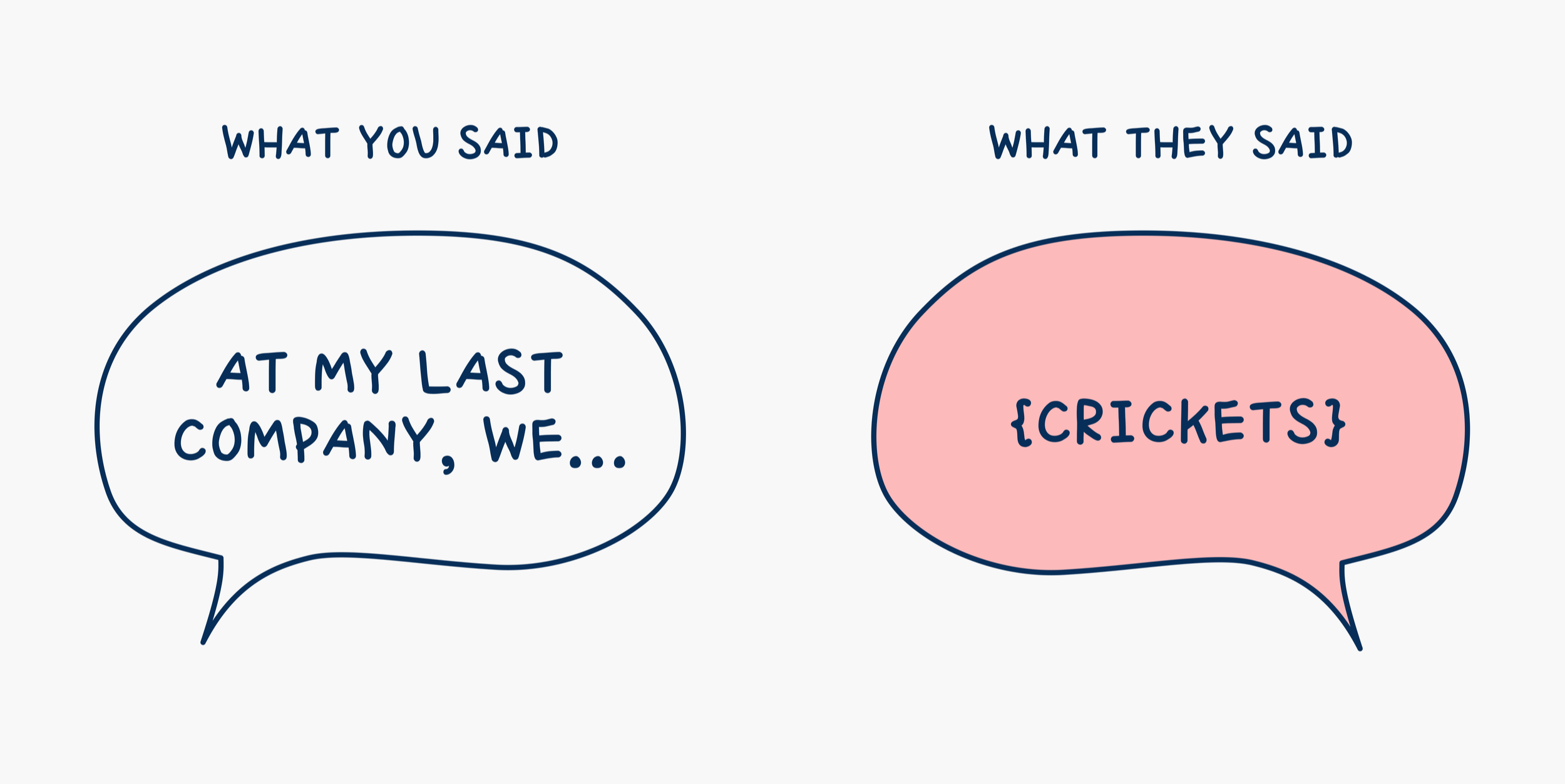
We walk into the new team, the new client, the new project, and we lead with the 11%. The credentials. The “at my last company, we…” The fix, offered before anyone finishes describing what’s broken.
We grant trust to others one way. We try to earn it another.
That gap is worth sitting with.
In Unignorable, asking before you solve lives inside the behavior of being a Serial Wonderer. One self-assessment statement reads: “I resist the impulse to fix or advise right away, focusing first on helping others surface what they really think or feel.”
And the line I keep coming back to from the book: “People trust you and your ideas when you prove you understand them first.”
Full confession: I scored a 65 on my own assessment. I spent years as a CIO getting paid for answers. Fixing is my reflex. So I’m not writing this from the finish line. I’m writing it from the same starting block as you.
Try this:
Count your questions. In your next three meetings, keep a quiet tally: questions asked vs. solutions offered. No judgment. Just data.
Ask the “before” question. Before you offer a fix, ask, “What have you already tried?” Then let silence do the heavy lifting.
Run Carla’s survey on yourself. Think of the last person you started trusting fast. What did they actually do? Now ask whether the people around you would say the same about you.
Your Unignorable Move: The next time you’re the new person in the room, be the 47%. Ask before you solve.
I’m curious about something. When you’re the new one, what makes it so hard to ask first? Reply to this message. I read every response.
Your coach,
Chris
P.S. Carla’s full write-up is here: What Actually Makes Someone Valuable on a Workday Team. And if you want to hear the conversation that started it, here’s our WaveMakers episode. If you work anywhere near the Workday world, follow them both. They’re doing generous work for their community, and I’m better for having met them.